
Oral Care
5 daily habits for healthier teeth
Small routines make the biggest difference. Here is the practical version of how to keep enamel, gums, and cleanings working for you.
Dr. Ava Morales · Lead Cosmetic Dentist
Mar 25, 2026
6 min read
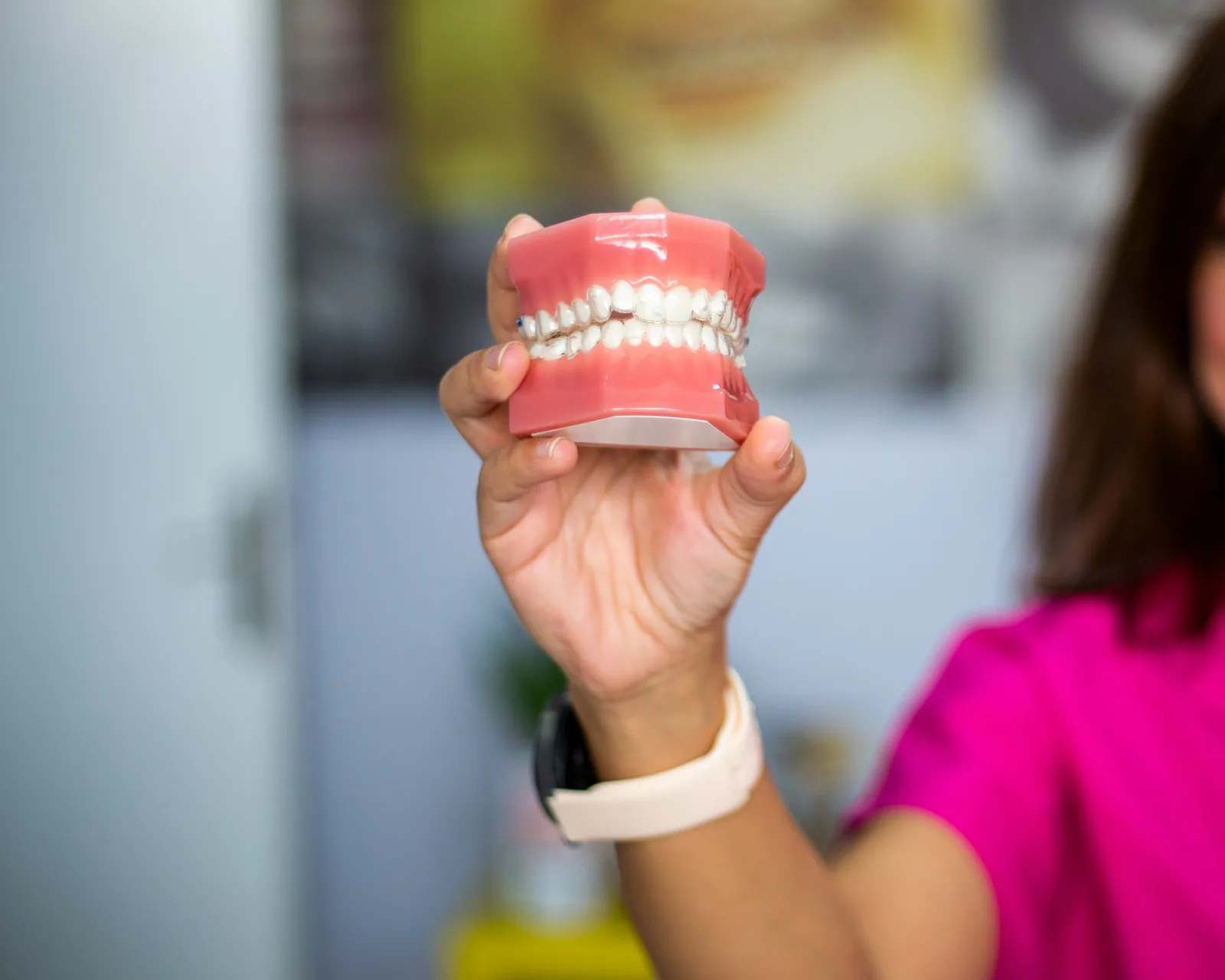
1. Brush like it matters, because it does
Most people brush every day, but the result depends on whether the routine is rushed or deliberate. Two full minutes, morning and night, gives fluoride toothpaste enough time to do its job and removes the film that feeds plaque before it hardens.
A soft brush and gentle pressure are usually enough. If the bristles bend hard against the teeth, the brushing is probably too aggressive and more likely to irritate gums than clean them well.
- Use a soft-bristled toothbrush.
- Angle the brush toward the gumline.
- Replace the brush head when the bristles flare out.
2. Clean between teeth every day
Toothbrushes do not reach every surface. The tight spaces between teeth are where food debris and plaque stay longest, which is why flossing or interdental cleaning is not optional if you want the routine to be complete.
If floss feels awkward, the answer is usually consistency, not force. Once the motion becomes familiar, the few extra minutes are often the difference between healthy gums and the kind of bleeding that keeps showing up at cleanings.
- Pick floss, picks, or interdental brushes and use one method consistently.
- Clean between teeth before bed.
- Expect easier cleaning after a week of steady use.
3. Treat snacks and drinks as repeated exposures
It is not just how much sugar you eat. It is how often your teeth get exposed to it. Small snacks, sweet drinks, and all-day grazing keep the mouth in a repeated acid cycle, which gives enamel less recovery time.
Water is the easiest reset. If you want a habit that makes a visible difference, reduce the number of times your teeth are coated in sugar or acid, especially between meals and before bed.
- Keep sweet drinks and snacks to mealtimes when possible.
- Rinse with water after acidic foods or drinks.
- Avoid sipping sugar or energy drinks over long stretches.
4. Protect enamel from grinding and acid
Not every problem comes from brushing or food. Grinding at night, acid reflux, or frequent exposure to acidic drinks can wear enamel down even when you are careful about hygiene. That is when sensitivity usually starts to show up.
If you wake up with sore jaws, chipped edges, or teeth that feel sharp to cold water, it is worth asking whether the issue is mechanical wear, not just cleanliness.
- Do not brush immediately after acid exposure.
- Ask about a night guard if you clench or grind.
- Mention new sensitivity before it gets worse.
5. Keep preventive visits on the calendar
The best home routine still needs periodic checkups. Cleanings remove hardened plaque you cannot fix at home, and exams catch problems early enough to keep them smaller, simpler, and less expensive.
A good visit should leave you with a better understanding of what is healthy, what needs watching, and what to do next. That is how routine care stays routine instead of becoming reactive.
- Book cleanings before symptoms force the visit.
- Bring up bleeding, sensitivity, or bad breath early.
- Use the exam to ask about the habits you keep repeating.
When to book a visit
If your gums bleed regularly, a tooth stays sensitive after brushing, you notice new pain, or a filling or crown feels off, do not wait to see whether it settles on its own. Early checks usually make the fix simpler.
The same goes for persistent bad breath, a chipped tooth, or anything that changes how you chew. Those are often signs that the daily routine is not the only thing that needs attention.
Key takeaways
- Brush for two full minutes with gentle pressure.
- Clean between teeth every day, not just before appointments.
- Reduce repeated sugar and acid exposures.
- Book preventive visits before symptoms become urgent.
Need help deciding?
If you want help choosing the right appointment, start with preventive care or contact the team and we will point you to the right visit.